I’m not a huge fan of the phrase “things just aren’t meant to be,” but it sure felt relevant as I frantically speed-walked to the downtown Portland Police Bureau on a rainy Thursday afternoon in November. Let me explain.
For every city I visit, I take the United Nations list of Member States and look up some version of the formula ‘country + restaurant + city.’ Having never tried food from Belize, I was particularly excited when Love Belizean in downtown Portland popped up during my research.
I first tried visiting the restaurant on Veterans Day, but sadly, despite what Google Maps told me, it was closed. The second time, they were sold out. The third time, on my way from the bus to the restaurant (a path I knew all too well thanks to my failed prior attempts), I saw something that caught my eye. I reached into my pocket to take a picture with my phone. Except my phone wasn’t there.
By the time I retrieved my phone—from a very kind lawyer who interrogated my mother (thank you, Mom, for thinking to call my number!) to ensure she wasn’t a thief or scammer—the restaurant was closed, which convinced me that the third time, alas, is not a charm.
Fortunately, though, my beloved formula had helped me locate plenty of other interesting places, including Patience S Cuisine, a Congolese joint that happened to be open and located in roughly the same area.
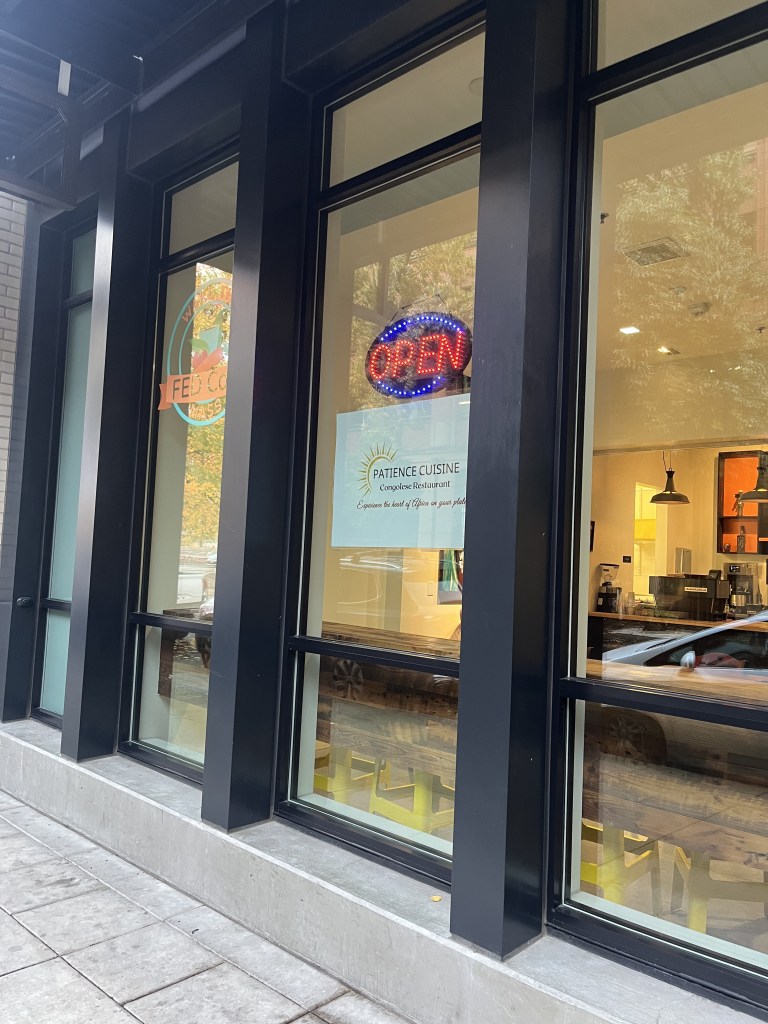
When I got to the restaurant, I was famished and frazzled. As I was perusing the menu, I shared my misadventures with the owner, Patience Sema Tshokote, and we immediately bonded over our shared struggles with losing things (unlike me, though, she wisely keeps her phone on a lanyard around her neck!).
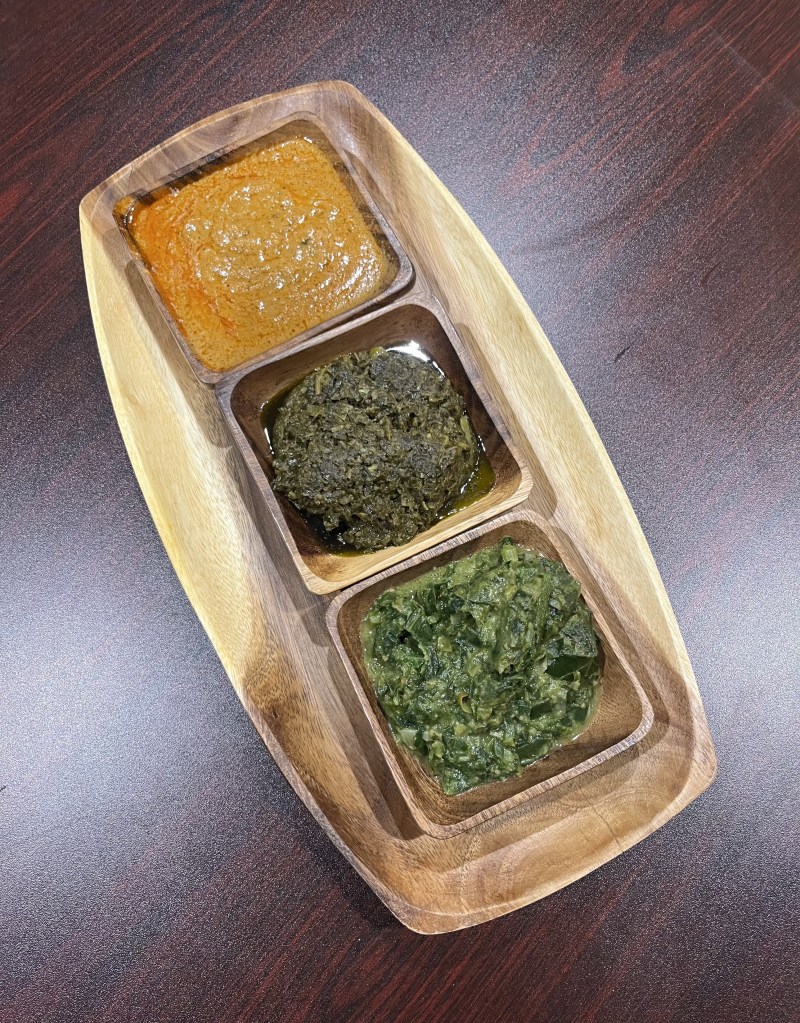
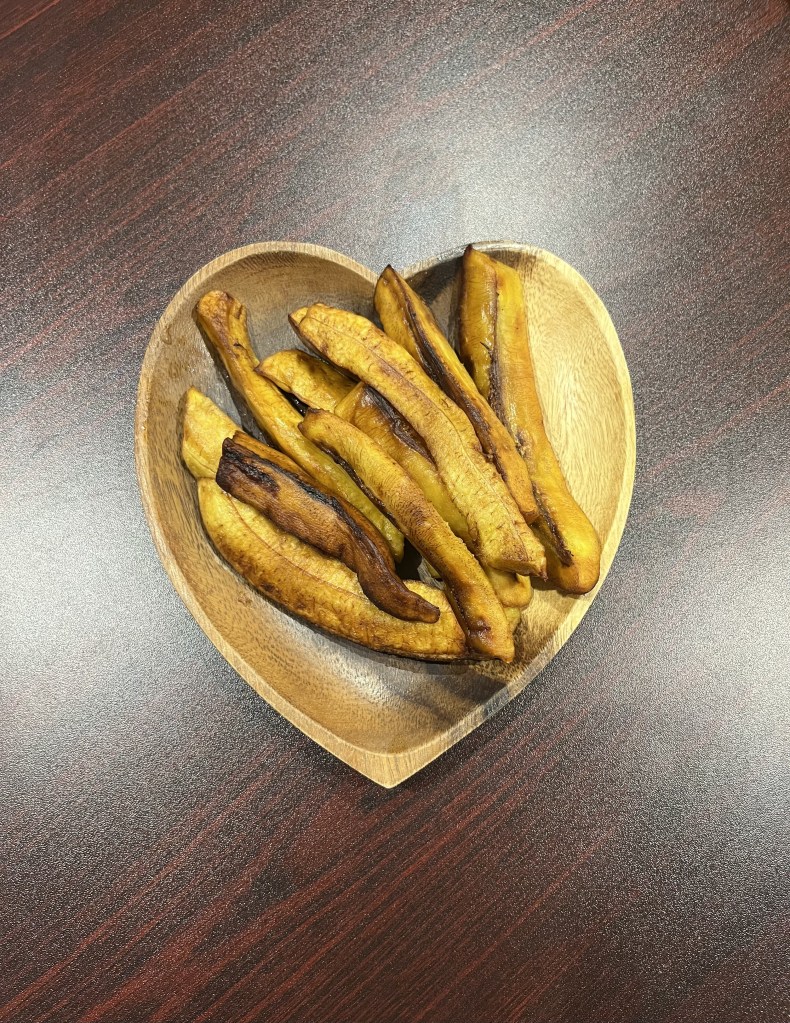
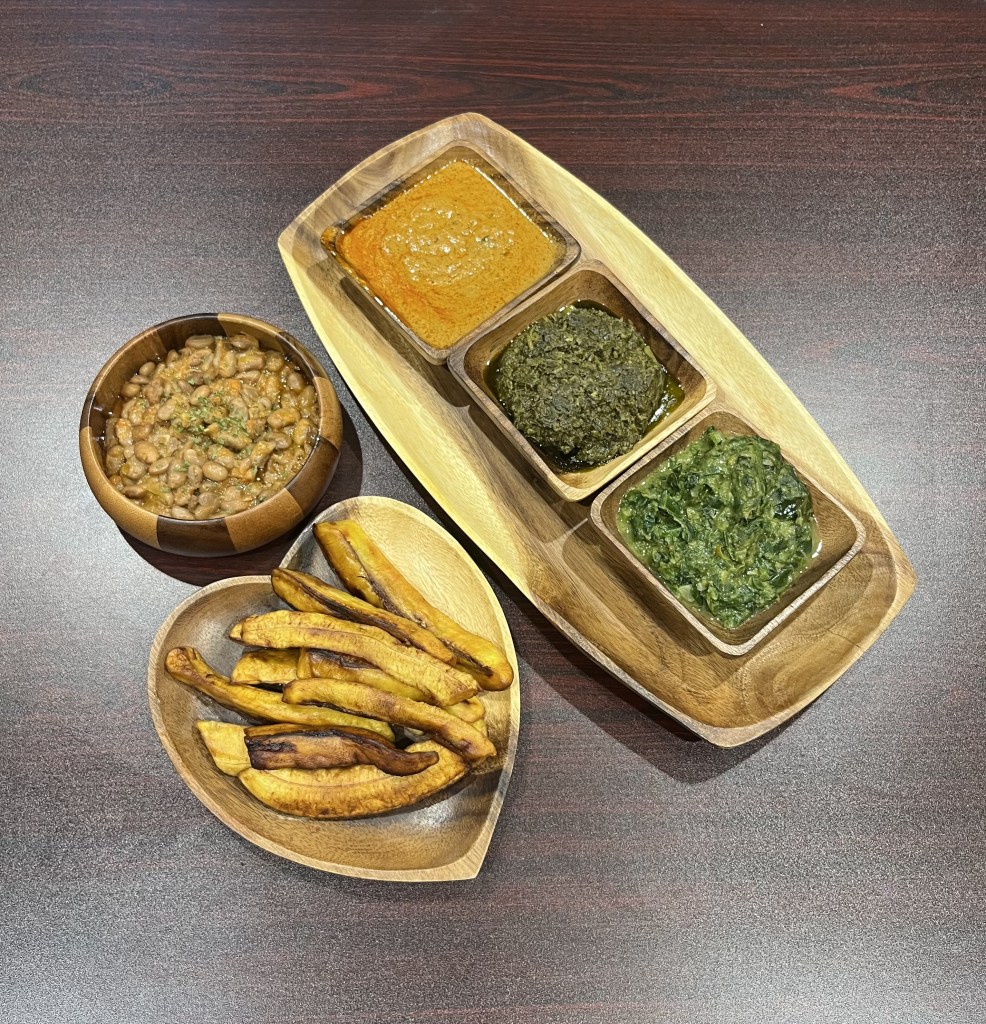
Given how hungry I was and that I’d never had Congolese cuisine before, I decided to order a selection of vegetarian dishes: Kpadamu (groundnut soup), Pondu (cassava leaves simmered with peanut butter and palm oil), Nkovi (collard greens cooked with peanut butter), Madesu (tender beans cooked in a savory sauce and garnished with fresh herbs), and Makemba (fried plantains). Patience also gave me some of her homemade hot sauce on the side, although all of the dishes were plenty flavorful on their own. I loved the creaminess of the greens and the heartiness of the beans, but as someone who will happily eat peanut butter straight from the jar, my favorite was definitely the Kpadamu.

After savoring my delicious, nourishing meal and packing up my leftovers, I asked Patience about what brought her to Portland and how she got into the restaurant business. Because the information she shared with me is very vulnerable and personal in nature, I felt that it was important to use her words rather than my own. The transcription below was reviewed and approved by Patience prior to publication.
Patience’s Story, In Her Own Words
I came here in the mid-90s. I came with my family, my mom and dad. I have 3 brothers and 1 sister, but I lost my older brother back in 2018. I came at the age of 16, going on 17. Before I came here, my mom came in 1989; she left me back home with her family members. I was maybe about 9 or 10, but I went through a lot of abuse, like all kinds of abuse that a person can really go through at that age, which, you know, I lived through it. But one of the traumas that I had was around food. So if I was to get punished, they would withhold food from me, but I would be the one to cook or assist with cooking and serving, and then the punishment was to sit there and watch people eat. There [was] harsh punishment, even for the littlest things, so I grew detached from food.
Coming here, I was almost 17, weighing 98 pounds. I was really frail, I was skinny, so I got here, and the food was horrific to me because it was not what I was used to, and everything is processed. And so I would eat and throw up, and I was so sick for the longest time. I was so tiny, and I never reached 150 [pounds]; even during my pregnancy I only weighed 149 [pounds].
Then my insecurity with food grew, but it kind of changed once we started getting more Asian stores bringing [ingredients] like cassava leaves. And then I learned there were collard greens because I didn’t know what it was called here, so I would look for it everywhere. But then I found out that’s what we call Nkovi back home, and we cook it differently. So then we started noticing there were plantains coming in, sweet potatoes and potato leaves, and all those things, so I started feeling like home again. So I was like, ‘okay, this is time for me to cook,’ so I started cooking.
I started selling food from my garage because my friends were like, ‘We eat here all the time, [we] think you need to start charging us,’ and I thought that was a good idea. So then I started.
Also, I was a single mom for a very long time. My daughter is 23 now, but it was a rough situation. My baby daddy, my first husband, tried to kill me when my daughter was 6 months old, so I fled.
I’ve lived through all kinds of situations, and that’s why I’m trying to thrive: so I can give some women [a] voice after what I’ve gone through, girls who might still be experiencing it. Me cooking, honestly, is just trying to get out of my trauma, trying to have an outlet. My cooking is the joy of my life right now; it’s really my passion.
And then I do want to have a nonprofit starting here to help girls and boys who are on the street back home or who are being neglected by family members, because a lot of people will say, ‘Oh, I’m going to the United States or I’m going to Belgium, I’ll send for my kids,’ and those kids stay in the neighbors’ homes, and sometimes [the neighbors] kick them out, and then they start living on the street. And you see a 9, 10-year-old girl doing things for money, things a little child shouldn’t have to be doing, which is really devastating. And so I want to be able to use my cooking as a way to show those people that there’s hope. If I can make them smile one day, at least that one day will count.
It’s an interesting life story or experience that I’ve had, but I definitely don’t want to dwell on it. I want to be able to help my community or any community that would be in need of help.
Aside from here, I work in the building down the street as a med tech. I worked for IRCO for 6 years as a domestic violence program coordinator, but then vicarious trauma got me. But I love working in the community. I love working with people. I love helping people make good decisions and making a difference in people’s lives.
About Patience S Cuisine
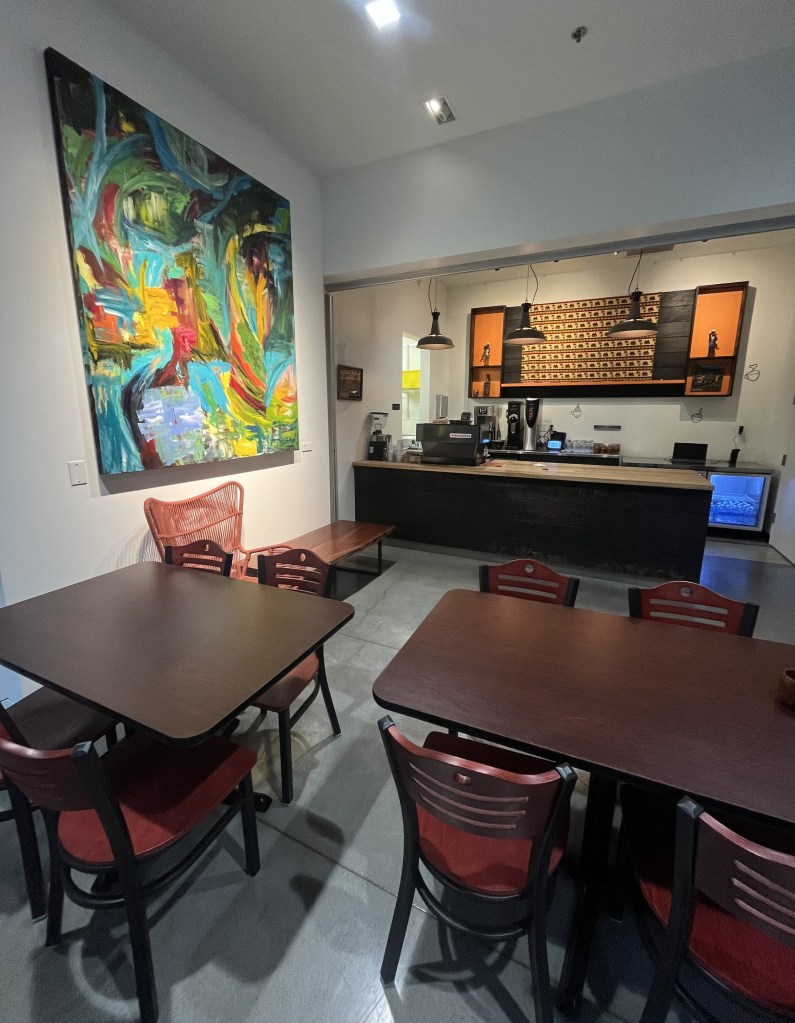
Located in Portland’s Old Town neighborhood, Patience S Cuisine opened in June 2024. The small but welcoming restaurant combines warm wooden accents with vibrant colors and artifacts from the Democratic Republic of the Congo. From sweet treats and hearty stews to grilled meats and tender greens, the menu features authentic Congolese dishes made with locally sourced, seasonal ingredients.
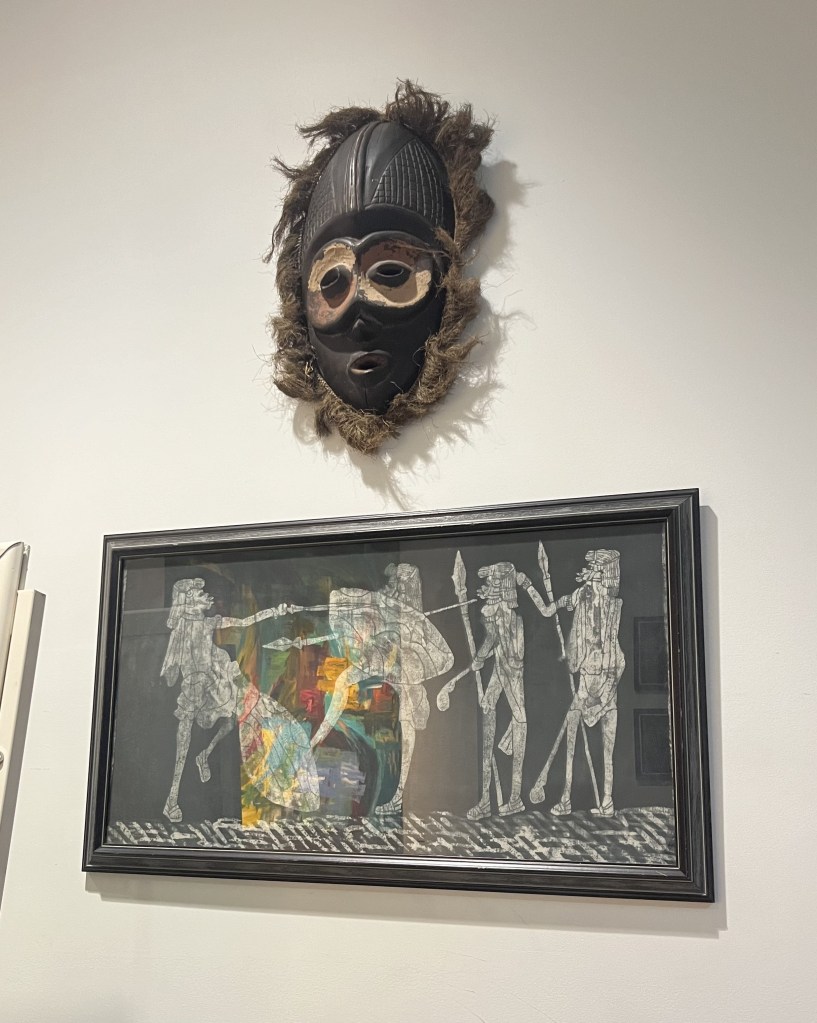
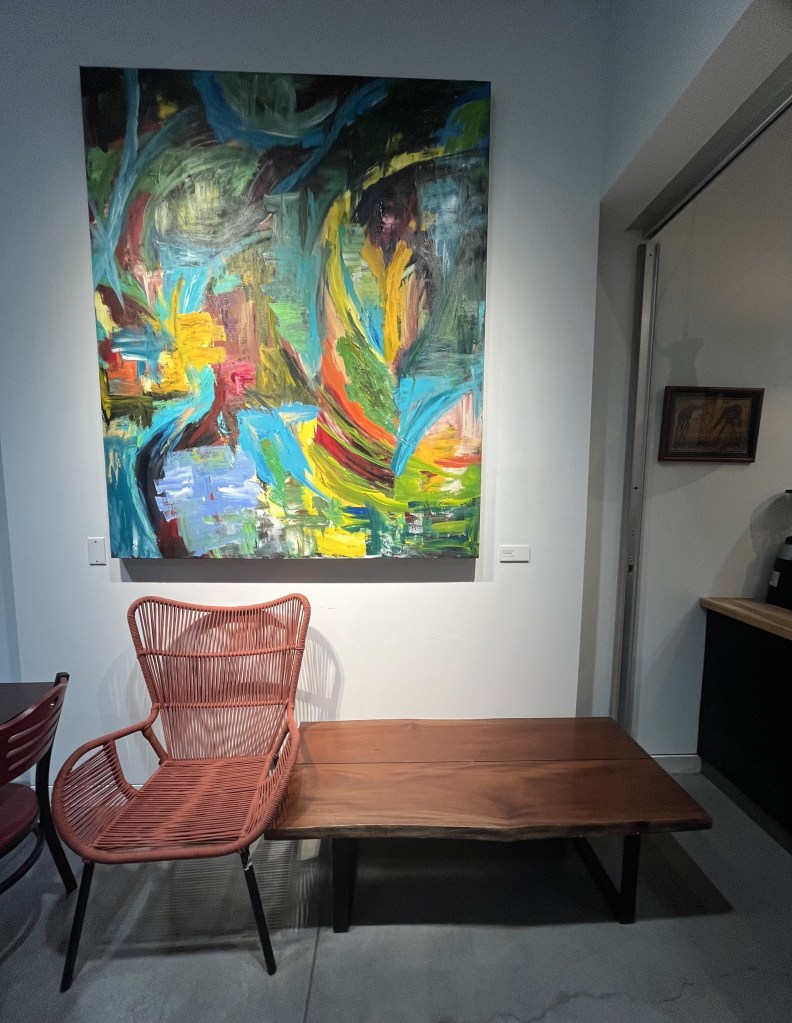
While you can certainly order delivery or takeout, I highly recommend visiting the restaurant in person to meet Patience herself. Not only is she incredibly driven and hardworking—cooking, cleaning, marketing, and managing the restaurant on her own every Thursday through Saturday, while also working 16-hour med tech shifts the rest of the week, with Sunday as her only day off—but she also loves sharing Congolese culture and hospitality with the community.
Visit Patience S Cuisine
Address: 38 NW Davis St., Portland, OR, 97209
Website: https://www.patiencescuisine.com/
Instagram: @patiencecuisinepdx
 Market Hauls and Local Noms